

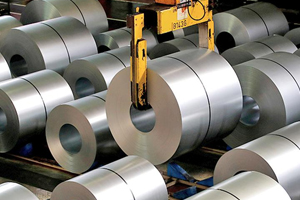
Middle East Tensions Escalate, Surlyn Aluminum Coil Export Demand Surges
Mesco Group Editorial Department | March 30, 2026
Background: Conflict Impacts Petrochemical Pipeline Protection Demand
Following US-Israeli military strikes on Iran, Iran effectively closed the Strait of Hormuz, and the conflict quickly spread to petrochemical facilities in Saudi Arabia, the UAE, Qatar, and other Gulf states. As a result, the insulation jacketing on large quantities of petrochemical pipelines in the region was damaged and urgently needed repair and replacement, driving a sharp rise in emergency procurement demand for Surlyn aluminum coils (Polysurlyn Moisture Barrier Aluminum Coil, PSMB aluminum coil).

Why Surlyn Aluminum Coil Is the Preferred Material
Surlyn aluminum coil thermally bonds a three-layer composite film (76μm thickness) consisting of HDPE, Surlyn resin, and LDPE to the inner surface of the aluminum coil, providing excellent moisture resistance, corrosion resistance, and UV resistance. It is widely used as the outer protective jacket for pipeline and tank insulation systems in petroleum refining, chemical, and power industries. In the high-humidity, high-salt-spray Gulf environment, its service life of over 25 years offers a significant competitive advantage.
Export Orders Noticeably Increasing
International buyers from oil-rich nations including Kuwait, Qatar, Oman, and Saudi Arabia have issued urgent price inquiries to multiple Chinese Surlyn aluminum coil manufacturers, with some factories reporting month-on-month order volumes more than 30% higher than the same period last year. The industry expects this demand to remain elevated over the next 6 to 12 months as reconstruction projects for Middle Eastern petrochemical facilities get underway.
Industry Implications
The direct beneficiaries of geopolitical conflicts are often suppliers of industrial base materials. For domestic Surlyn aluminum coil producers, the current moment is both a strategic window for expanding market share in the Middle East, and an occasion to simultaneously strengthen product quality certifications (ASTM B209, ASTM C1729) in order to meet the access requirements of international engineering projects.