

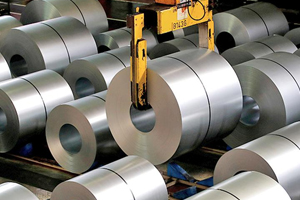
How US 50% Steel Tariffs Are Reshaping Global Al-Si Coated Steel Trade
Website: www.mescogroup.com.cn
Date: March 25, 2026
Author: Yilia
Table of Contents
1. Background: The Tariff Timeline
2. Direct Impact on Al-Si Coated Steel
3. Supply Chain Realignment
4. Opportunities and Risks for Global Buyers
Background: The Tariff Timeline
On March 12, 2025, the United States reinstated a blanket 25% Section 232 tariff on all steel and aluminium imports, eliminating previous country-specific exemptions for the EU, Canada, Mexico, Japan, and the United Kingdom. The action marked the broadest application of U.S. steel trade barriers since the original 2018 tariffs. Then, on June 4, 2025, the Trump administration doubled these rates — raising steel and aluminium tariffs to 50% across the board, with the UK receiving a limited exemption through bilateral negotiations.
In August 2025, the U.S. Department of Commerce expanded the scope further, adding 407 new product categories of steel and aluminium derivative products, amplifying cost pressures on downstream manufacturers. By the end of 2025, a parallel anti-dumping investigation into corrosion-resistant coated steel (CORE) — which includes aluminized products — entered its final phase, threatening additional duty stacking on top of the existing 50% Section 232 tariffs.
Direct Impact on Al-Si Coated Steel
Aluminized silicon steel falls squarely within the scope of both the Section 232 tariffs and the CORE anti-dumping proceedings. Imported Al-Si coated sheet and tube products from the major producing countries — China, South Korea, Japan, Germany, and Taiwan — are now subject to materially higher landed costs in the U.S. market.
Mexican steel exports to the U.S. dropped by approximately 50% in April and May 2025 following the initial 25% tariff imposition, according to data cited by the Mexican steel industry group CANACERO. Analysts anticipate a similarly sharp contraction in Al-Si coated flat product imports from South Korea and Japan, whose mills — Nippon Steel, POSCO, and Hyundai Steel — had been significant U.S. suppliers.
Supply Chain Realignment
The tariff shock is accelerating a structural shift in how North American manufacturers source Al-Si coated steel. Near-shoring and domestic capacity investment are gaining momentum: Nucor's US$425 million galvanizing line in South Carolina and Hyundai Steel's US$5.8 billion Louisiana integrated plant are the most prominent examples of domestic supply expansion. Mexico's installed steel coating capacity is set to add 8 million tonnes of capacity during 2025–2026, partly absorbing demand that cannot be filled by U.S. mills at current price points.
Globally, the tariff war is also forcing a rebalancing of trade flows. Asian exporters previously targeting the U.S. are redirecting Al-Si coated volumes to Southeast Asia, India, and the Middle East, creating new competitive pressures in those markets. Chinese mills — which account for over 60% of global hot-dip Al-Si coated production — are particularly active in redirecting export tonnages through intermediary markets.
Opportunities and Risks for Global Buyers
For procurement teams sourcing aluminized silicon steel outside the United States, the tariff environment paradoxically creates short-term pricing opportunities. Diverted Asian export volumes are depressing spot prices in non-tariff markets, benefiting buyers in Southeast Asia, South Asia, and the Middle East. However, longer-term supply agreements should account for the risk that bilateral trade deals (such as the Japan-U.S. framework agreed in July 2025, which set a 15% automotive tariff but left steel at 50%) could alter trade flows again with limited notice.
Companies procuring Al-Si coated steel for export to the U.S. market must now conduct deeper supply-chain audits to confirm the origin of raw material inputs — particularly in light of regulatory scrutiny over Chinese aluminum being cast in Mexico as a tariff circumvention strategy.
Sources
• Fastmarkets: Steel Timeline of Trade Policies in 2025
• SteelIndustry.news: US Coated Steel Trade Case – Developments Through July 2025
• AluminiumMagazine: Aluminium Tariff War 2025–26 – Market Impact & Buyer Behavior
• Mordor Intelligence: Coated Steel Market Report 2025-2030