

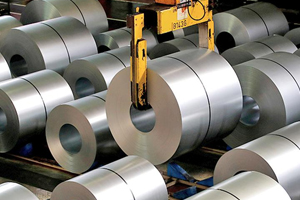
Zn-Al-Mg Coated Steel 2026: Properties, Applications, and Market Trends You Need to Know
Zn-Al-Mg coated steel — a ternary alloy of zinc, aluminum, and magnesium — has emerged as the most significant advancement in metallic coated steel technology since the introduction of hot-dip galvanizing. In 2026, the global Zn-Al-Mg coated steel market is valued between USD 3.8 billion and USD 8.7 billion, depending on scope, and is projected to grow at a compound annual rate of 6.5% to 9.4% through 2035. This material delivers two to four times the corrosion resistance of traditional galvanized steel, making it a game-changer for construction, automotive, solar energy, and agricultural applications. This guide provides an in-depth look at what Zn-Al-Mg coated steel is, its key performance advantages, the major applications driving demand in 2026, and the market trends that procurement professionals need to understand before placing orders. Zn-Al-Mg coated steel is a flat steel product coated with a ternary alloy layer of zinc, aluminum, and magnesium through a continuous hot-dip process. The magnesium addition — typically ranging from 1% to 3% of the coating composition — triggers the formation of dense zinc-magnesium binary eutectic phases at the coating surface. This microstructural change dramatically enhances resistance to red rust, cut-edge corrosion, and atmospheric degradation compared to standard zinc or zinc-aluminum coatings. The coating is available in three primary formulations: Medium-aluminium Zn-Al-Mg dominates the market with a 51% share, offering the best balance of corrosion protection, formability, and cost efficiency. Low-aluminium grades follow at 38%, preferred for standard construction applications where cost sensitivity is highest. Zn-Al-Mg coating offers 2 to 4 times better corrosion protection than standard hot-dip galvanized steel. The magnesium-enriched layer provides self-healing properties at cut edges, reducing red rust propagation by up to 80% in salt-spray testing. The alloy coating maintains excellent ductility, allowing the material to be bent, stamped, and roll-formed without cracking or delaminating. This makes it ideal for complex architectural profiles and automotive body panels. In aggressive environments — coastal, industrial, or agricultural — Zn-Al-Mg coated steel can last 20 to 30 years before significant coating degradation, compared to 8 to 15 years for traditional galvanized steel. This reduces lifecycle costs by up to 39%. Superior corrosion protection allows engineers to specify thinner coating weights and lighter steel gauges, contributing to material savings of 10-15% and reduced carbon footprints in automotive and construction applications. The building and construction sector remains the single largest end-user of Zn-Al-Mg coated steel, commanding approximately 40% of global demand. The material is extensively used in roofing panels, wall cladding, structural framing, drainage systems, and highway guardrails. China's GB standards for corrosion-resistant construction materials are tightening alloy composition requirements, directly benefiting Zn-Al-Mg specifications. In the United States, federal green building codes are driving public-sector contract demand growth of over 21%. Solar mounting system manufacturers are rapidly adopting Zn-Al-Mg coated steel for ground-mount and rooftop solar structures. India's Production Linked Incentive (PLI) scheme for renewable energy manufacturing has created guaranteed offtake for Zn-Al-Mg grades, particularly for desert installations in Gujarat's manufacturing corridor. The material's resistance to atmospheric corrosion in high-humidity and UV-exposed environments makes it ideal for 25-year solar project lifespans. The automotive industry accounts for nearly 29% of domestic Zn-Al-Mg consumption in the United States. Automakers are adopting the material for underbody components, structural panels, and battery enclosures in electric vehicles. The material's exceptional strength-to-weight ratio and corrosion resistance align with automotive lightweighting initiatives tied to emissions reduction targets under the European Green Deal and China's dual-carbon policy. Agricultural equipment is the fastest-growing application segment, as farm machinery OEMs seek extended warranty terms against fertilizer-induced corrosion. Brazil's agricultural mechanization wave is creating significant demand for premium-grade Zn-Al-Mg coated steel in Mato Grosso and Goias regions. Asia Pacific holds approximately 40-42% of global market share. POSCO anchors supply through integrated hot-dip lines at its Pohang complex, while Baowu Group dominates domestic volume in China and extends quality certification for export markets. ArcelorMittal leverages its European R&D network for premium positioning in high-corrosion environments. Performance-based coating warranty contracts are displacing commodity tonnage transactions as the dominant commercial format. Mills must now certify coating longevity rather than simply meeting alloy specifications, shifting transactions from commodity tonnage to guaranteed service-life contracts. The EU's Construction Products Regulation mandates CE marking for coated steel in permanent building applications. China's SAMR enforces GB standards for alloy composition and coating adhesion. India's BIS certification requirements for corrosion-resistant structural steels shape procurement specifications in government infrastructure tenders. Alloy coating costs fluctuate with London Metal Exchange aluminum pricing, which traded around USD 3,200 to USD 3,400 per metric ton in early 2026. This creates margin compression for independent coaters without captive smelter supply. Buyers should factor in raw material price fluctuations when negotiating long-term contracts. Zn-Al-Mg coated steel offers 2 to 4 times better corrosion resistance than standard hot-dip galvanized (HDG) steel. The magnesium addition creates a denser protective layer with self-healing properties at cut edges. While HDG steel typically costs 10-15% less upfront, Zn-Al-Mg's extended service life delivers lower total lifecycle costs in aggressive environments. Yes, Zn-Al-Mg coated steel exhibits excellent weldability using standard MIG, TIG, and resistance welding techniques. The coating maintains good adhesion during bending, stamping, and roll-forming operations. However, welding will consume the coating at the weld zone, and post-weld touch-up with zinc-rich paint is recommended for maximum corrosion protection. Standard specifications are typically available within 3 to 7 working days for in-stock material from major suppliers. Custom specifications, including specialized coating weights and dimensions, may require 2 to 4 weeks depending on mill production schedules. Reliable suppliers maintain tens of thousands of tons of ready stock for rapid delivery. Agricultural equipment is the fastest-growing segment, followed by solar energy infrastructure and automotive manufacturing. The building and construction sector remains the largest volume consumer. Adoption is accelerating in coastal and marine environments where corrosion resistance is critical. Key certifications include CE marking for EU construction applications, China GB standards for alloy composition and coating adhesion, India BIS certification for government infrastructure projects, and ISO 9223 corrosivity classification compliance. Suppliers should also provide mill test certificates with chemical composition and mechanical property data. Zn-Al-Mg coated steel represents a significant leap forward in corrosion protection technology, offering 2 to 4 times the service life of traditional galvanized steel in demanding environments. With the global market growing at 6.5% to 9.4% CAGR and adoption accelerating across construction, solar energy, automotive, and agricultural sectors, 2026 is an opportune time for procurement teams to evaluate and transition to this advanced material. Looking for a reliable Zn-Al-Mg coated steel supplier? MESCO Steel exports to over 90 countries, serves 8 Fortune Global 500 companies, and maintains extensive stock of Zn-Al-Mg coated steel in multiple grades and specifications. Contact us today for a quotation tailored to your requirements, or browse our product catalog to explore available options.
What Is Zn-Al-Mg Coated Steel?
Type
Aluminum Content
Magnesium Content
Market Share (2026)
Best For
Low-Al Zn-Al-Mg
1-3%
1-3%
38%
General construction, roofing
Medium-Al Zn-Al-Mg
5-11%
1-3%
51%
Solar mounting, automotive, marine
High-Al Zn-Al-Mg
50-55%
1-2%
11%
High-temp, corrosive environments
Key Performance Advantages
Superior Corrosion Resistance
Excellent Formability
Extended Service Life
Weight Reduction Potential
Major Applications Driving Demand in 2026
Building and Construction
Solar Energy Infrastructure
Automotive and Transportation
Agricultural Equipment
2026 Market Trends and Outlook
Asia Pacific Dominates Supply
Performance-Based Warranties
Regulatory Tailwinds
Aluminum Ingot Price Volatility
Frequently Asked Questions
How does Zn-Al-Mg coated steel compare to traditional galvanized steel?
Can Zn-Al-Mg coated steel be welded and formed?
What is the typical lead time for Zn-Al-Mg coated steel orders?
Which industries are adopting Zn-Al-Mg coated steel fastest?
What certifications should I look for when sourcing Zn-Al-Mg coated steel?
Conclusion