

Steel Structure 2026: Market Outlook, Trends, and Procurement Guide
Steel structure buildings — frames of hot-rolled beams, columns, and trusses that support warehouses, factories, data centers, and high-rise towers — remain the most cost-efficient way to create large clear-span space. In 2026 the sector is being reshaped by three forces: booming data-center and grid investment, fast adoption of prefabricated construction, and a tighter trade environment of tariffs and import quotas.
The global steel structure market is estimated at roughly USD 123.4 billion in 2025 and is forecast to reach USD 202.1 billion by 2033, a compound annual growth rate of about 6.7%. This guide explains the main steel structure systems, the 2026 demand drivers and prices, and a step-by-step procurement checklist for B2B buyers.
What Is a Steel Structure Building? Main Systems Explained
A steel structure building transfers loads through a skeleton of columns, beams, and bracing. Because sections are rolled at the mill to precise tolerances, steel frames erect faster, span further, and weigh less than equivalent concrete construction — and every ton of structural steel is fully recyclable at end of life. The right system depends on span, height, seismic conditions, and how quickly the client needs the building delivered.
| System | Typical Span | Best For |
|---|---|---|
| Portal frame (rigid frame) | 12–60 m clear span | Warehouses, factories, hangars |
| Steel frame + concrete core | 8–15 m bays | High-rise offices, mixed-use towers |
| Space frame / lattice truss | 30–120 m | Stadiums, exhibition halls, airports |
| Prefabricated modular unit | 3–6 m modules | Hotels, dormitories, temporary camps |
Spans are typical design values for orientation. Final member sizes must be confirmed by a structural engineer against the project's load cases, local codes, and the selected steel grade.
2026 Market Outlook: Where Structural Steel Demand Is Growing
Worldsteel expects global steel demand to rise only 0.4% in 2026 to about 1.81 billion tons, but structural applications are outperforming the average. The strongest engines are data centers, grid and transmission projects, and construction catch-up across the Middle East, Southeast Asia, and Africa.
- Data centers: Meta's Mesa, Arizona campus alone uses roughly 12,000 tons of structural steel, and Amazon's Indiana expansion is a USD 15 billion program — hyperscale computing is now a pillar of structural demand.
- Prefabricated construction: the global market was about USD 260.6 billion in 2025 and is projected to approach USD 405 billion as developers compress schedules and labor costs climb.
- Grid investment: China's 15th Five-Year Plan targets grid spending above RMB 5 trillion, sustaining heavy demand for transmission towers and high-strength angle steel.
- Green steel: low-carbon material carries a premium of roughly USD 100–300 per ton, and electric-arc furnaces now supply more than 70% of US steel production.
Prefabrication, Automation, and Green Construction Trends
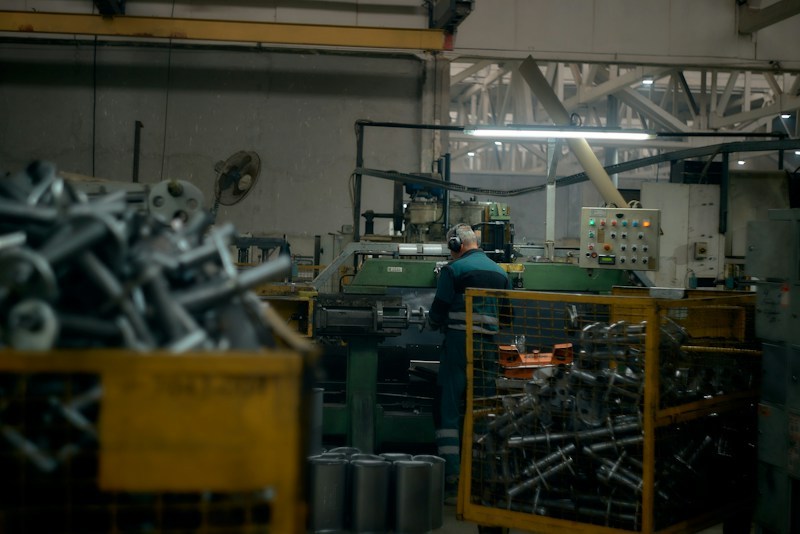
Prefabricated steel structures — components cut, drilled, welded, and coated in the factory, then assembled on site with bolted connections — now account for a growing share of new industrial buildings. Robotics and AI are moving into fabrication: robotic welding cells, BIM coordination, and digital twins reduce rework and shorten schedules, which matters when financing costs make every month of construction expensive.
One structural consequence is a labor bottleneck. The United States alone faces a shortage of roughly 400,000 welders, pushing fabricators toward automated cells and making fully finished prefabricated modules more attractive to developers who cannot find skilled crews on site.
The practical effect for buyers: fabricated steel structure kits are becoming more competitive than raw material plus on-site welding, because factory labor is cheaper, faster, and quality-controlled. When comparing bids, ask each supplier to state clearly whether their price covers fabrication, surface treatment, and erection drawings — the three cost items that most often inflate later.
Prices, Tariffs, and Supply in 2026
Structural steel prices remain volatile and strongly regional. US structural steel was quoted near USD 2,344 per ton in early 2026, down about 5.4% month over month, while Section 232 tariffs doubled to 50% in mid-2025 and sharply reduced imports of finished structural products. In the European Union, steel import quotas tightened again in July 2026, while Chinese mill pricing for sections stays competitive on most international tenders.
| Region | 2026 Market Signal | Buying Implication |
|---|---|---|
| United States | 50% Section 232 duties; wide-flange near USD 1,700–2,350/t | Domestic supply tight; verify origin and duty status |
| European Union | Import quotas tightened in July 2026 | Reserve quota early; prefer quota-covered origins |
| China | Competitive export pricing; full EN/ASTM/JIS grade range | Cost-effective source with mill certificates and inspection |
| Middle East / SEA / Africa | Strong construction and energy capex programs | Fastest-growing markets for prefabricated steel structures |
How to Procure a Steel Structure in 2026: A Checklist
- Define the system first: span, height, crane capacity, seismic zone, and erection method determine the whole frame design.
- Specify grade and standard: EN 10025 S355JR/J2, ASTM A992, or JIS equivalents, with mill test certificates to EN 10204 3.1.
- Compare raw material against fabricated kits: buying pre-fabricated steel structure components shifts welding and quality risk to the factory.
- Check the corrosion protection system: hot-dip galvanized frames and prepainted cladding cut long-term maintenance costs on outdoor projects.
- Verify tariff and quota status before contracting freight — duty treatment can change the landed-cost winner.
- Arrange third-party inspection (SGS, Bureau Veritas, or equivalent) for certified projects.
Frequently Asked Questions
What is the difference between a steel structure building and a concrete building?
Steel structures use rolled sections as a load-bearing skeleton, which erects faster, spans farther, and weighs less than reinforced concrete. They also allow longer clear spans without interior columns and are easier to extend or relocate. Concrete remains competitive for basements, cores, and projects where fire resistance or heavy mass is required. Many high-rise buildings combine both: a concrete core with a steel frame.
How much does a steel structure building cost per square meter in 2026?
Unit costs vary widely with system, span, steel grade, and location. As a planning reference, portal-frame industrial buildings commonly range from USD 90 to 200 per square meter for the steel structure itself, excluding foundation, cladding, and erection labor. Because 2026 prices are volatile and regional, obtain at least three detailed bids that separate material, fabrication, coating, and erection before budgeting.
How long does it take to erect a prefabricated steel structure?
A well-planned portal-frame warehouse of 3,000–5,000 square meters is typically erected in 3 to 6 weeks with a normal crew, because factory-made components bolt together on site. Total project duration depends on foundations, cladding, and internal fit-out. The prefabrication model shortens on-site time by 30–50% compared with traditional on-site welding, which is a major advantage where labor is scarce or weather windows are short.
Are steel structure buildings suitable for seismic zones?
Yes. Steel is ductile and absorbs seismic energy without brittle failure, which is why steel frames are widely specified in high-seismicity regions. Performance depends on detailing: moment connections, bracing patterns, and column bases must follow the local seismic code, and steel grades with guaranteed impact toughness (such as S355J2 or ASTM A992) are preferred. Always have the connection design reviewed by a licensed structural engineer.
Steel structures are entering a dynamic 2026: data centers and grid projects are pulling demand, prefabrication and automation are cutting erection times, and tariffs and quotas are reshaping supply routes. Procurement success now depends on specifying the right system and grade, comparing raw material against fabricated kits, and verifying coating, certificates, and duty status before you sign.
Explore our steel structure and section product range, read more steel market guides, or contact the MESCO Steel team for hot-rolled sections, prefabricated steel structure kits, and galvanized or prepainted solutions with full mill test certificates.