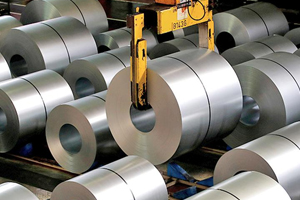
Aluminum coils are the backbone of industries ranging from construction and automotive to packaging and renewable energy. In 2026, the global aluminum market is experiencing significant supply tightening, with LME inventories falling to their lowest levels since 2008 and prices rising 18.45% from the beginning of the year. For procurement teams, choosing the right aluminum coil grade and avoiding common quality defects has never been more critical to controlling costs and ensuring production efficiency.
This guide walks you through the six major aluminum coil alloy series, current pricing dynamics, and the five most common defects you should watch for when sourcing aluminum coils in 2026.
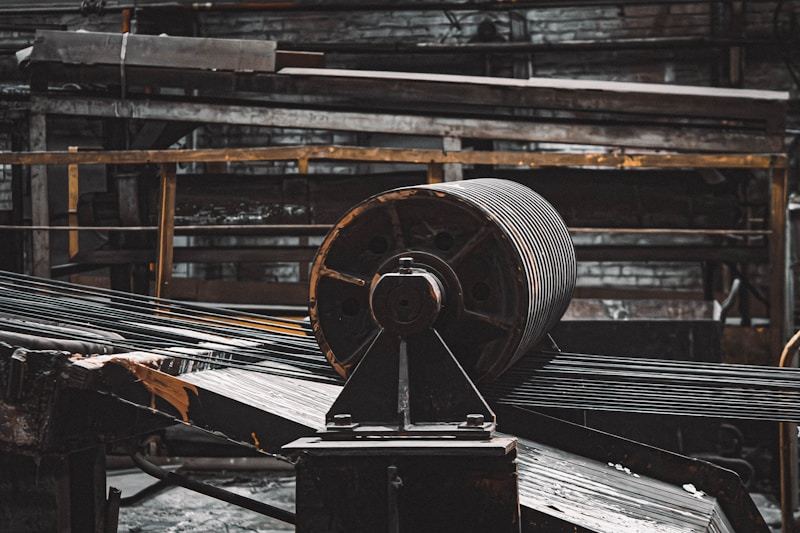
Aluminum Coil Alloy Grades: A Comparison
Choosing the correct alloy is the single most important decision in aluminum coil procurement. Each series offers distinct mechanical properties, corrosion resistance, and formability characteristics:
| Series |
Key Alloying Element |
Typical FOB Price (USD/ton) |
Best Applications |
Formability |
| 1000 (1060, 1100) |
Pure Aluminum (99%+) |
$2,000 - $2,600 |
Roofing, insulation, chemical equipment |
Excellent |
| 3000 (3003, 3105) |
Manganese |
$2,200 - $2,900 |
Gutters, food containers, HVAC fins |
Very Good |
| 5000 (5052, 5754) |
Magnesium |
$2,700 - $3,500 |
Marine, automotive, pressure vessels |
Good |
| 6000 (6061, 6063) |
Magnesium + Silicon |
$3,000 - $3,800 |
Structural frames, extrusions |
Moderate |
| Color-Coated |
Varies + PE/PVDF |
$2,500 - $4,200 |
Facades, roofing, decorative panels |
Depends on substrate |
| PVDF-Coated |
Varies + PVDF |
$3,200 - $4,800 |
High-end architecture |
Depends on substrate |
Cost-saving tip: For non-structural applications, 1060/1100 pure aluminum coils cost $0.15 to $0.20/lb less than 3003. For high corrosion resistance, 5052 offers better value than 7000-series alloys, with a price difference of $0.40 to $0.60/lb.
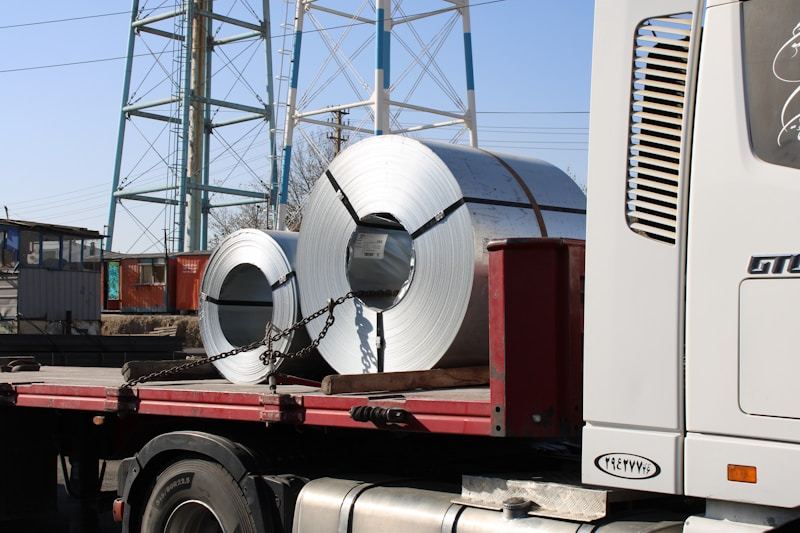
2026 Price Trends: What Buyers Need to Know
Market Context
In early 2026, LME aluminum prices traded around $3,200 to $3,400 per metric ton. Several factors are driving this upward trend:
- Geopolitical supply disruptions: Middle East production facilities were impacted by regional conflicts, pushing LME aluminum prices to $3,492/ton in March 2026.
- China's production cap: China's electrolytic aluminum capacity is strictly limited to 45 million tons annually, with operating rates at 97.5%.
- LME inventory decline: Global aluminum market supply gap estimated at 1.15 to 1.5 million tons.
- Energy costs: Aluminum smelting is extremely power-intensive; electricity costs directly affect pricing.
Price Structure Breakdown
Understanding the cost composition helps buyers negotiate more effectively:
| Cost Component |
Share of Total |
Notes |
| Aluminum ingot (LME-based) |
70% - 85% |
Fluctuates daily with LME prices |
| Processing (rolling, annealing, slitting) |
15% - 30% |
Higher precision = higher cost |
| Surface treatment (coating, anodizing) |
Variable |
Color coating adds $0.30 to $0.50/lb |
| Logistics and packaging |
Variable |
CIF North America is $0.35 to $0.50/lb higher than FOB China |
Procurement recommendation: Request itemized quotations separating "aluminum ingot price + processing fee" and consider embedding LME price +/-5% floating clauses in long-term contracts.
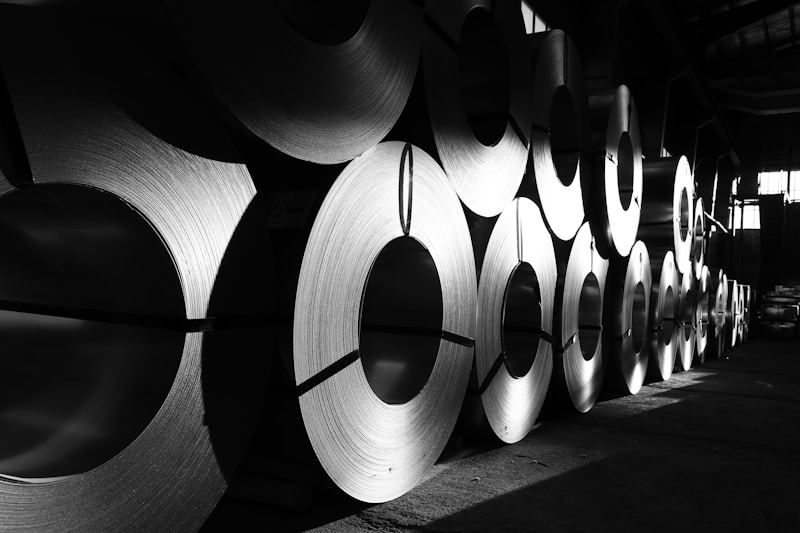
5 Common Aluminum Coil Defects and How to Prevent Them
1
Surface Oxidation and White Corrosion Spots
Symptoms: Matte white powdery stains or cloudy discoloration on coil surfaces, caused by prolonged exposure to humid air before coating or inadequate moisture-proof packaging during transit.
Prevention: Implement full chemical cleaning and chromate passivation before coating. Use triple-layer moisture-proof packaging: inner PE film + VCI anti-rust paper + outer waterproof woven bag. Store coils in dry, constant-temperature environments and finish delivery within 15 days of production.
2
Edge Cracking During Bending and Stamping
Symptoms: Small cracks appear at coil edges during forming, especially in 5000-series coils that have been over-processed or in H18 (full hard) temper material.
Prevention: Select H24 (half hard) temper for projects requiring heavy forming. For deep drawing, choose 3003-O (annealed) with grain size of 50 to 100 micrometers. Control blank-holder force and reduce stamping speed. Pre-heat material above 20 C before processing in cold weather.
3
Coating Cracks and Peeling on Color-Coated Coils
Symptoms: Fine cracks (crazing) appear on paint film after bending; coating peels off in strips. Often caused by T-Bend mismatch.
Prevention: Specify 0T to 1T T-Bend rated coatings (PVDF or HDP) for tight-radius bending. Audit tooling's minimum bend radius before ordering. Store color-coated coils above 20 C for 24 hours before roll-forming, as most coatings become brittle below 15 C.
4
Flatness Deformation and Wrinkling
Symptoms: Wavy edges, local bulges, or permanent bending deformation that prevents smooth stamping and roll-forming.
Prevention: Regularly calibrate tension systems on rolling and coating equipment. Standardize loading rules: separate coils with wooden pallets, prohibit stacking above 3 layers. Specify thickness tolerance of +/-0.01 mm for high-precision applications.
5
Surface Scratches and Coating Abrasion
Symptoms: Linear scratch marks on the painted surface, ranging from shallow gloss damage to deep scratches exposing bare aluminum substrate.
Prevention: Clean all production line rollers and slitting blades daily to remove metal debris. Cover each coil with PE protective film after coating. Add interleaving paper between stacked coils. Train warehouse staff to use soft protective fixtures during handling.
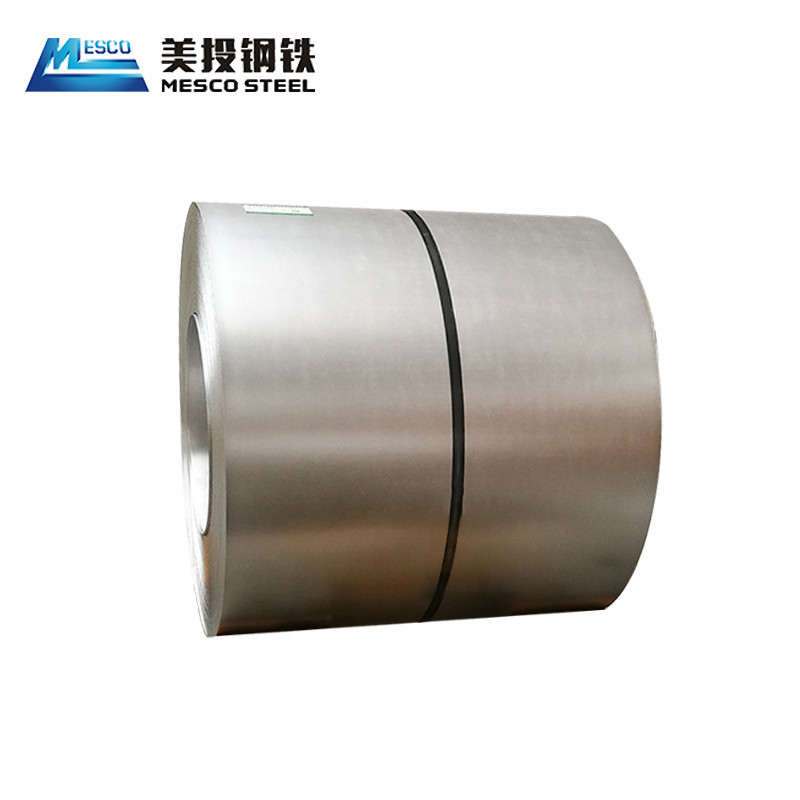
Technical Specification Checklist for Procurement
Before placing an order, confirm these specifications with your supplier to minimize defect risk:
- Alloy grade: Match the alloy (e.g., 3003, 5052) to your application's forming and corrosion requirements
- Temper: Specify H24 for forming, H18 for structural, O for deep drawing
- Thickness tolerance: Request +/-0.01 mm for precision applications
- Surface standard: Define acceptable levels of scratches, oil stains, and color variation
- T-Bend rating: Specify 0T to 2T based on your minimum bend radius
- Winding tension: Confirm tension levels to prevent telescoping during transit
- Packaging: Require waterproof wrapping, VCI anti-rust paper, and sturdy pallets
- Quality testing: Request T-bend test, cross-hatch adhesion test, and tensile test reports
Frequently Asked Questions
What is the current price of aluminum coils in 2026?
Standard mill-finish aluminum coils (1060, 3003, 5052) range from $2,000 to $3,500 per ton FOB China. Color-coated and PVDF-coated coils range from $2,500 to $4,800 per ton. Prices are driven by LME aluminum prices, which traded at $3,200 to $3,400/ton in early 2026.
Which aluminum coil grade is best for roofing?
For standard roofing, 3003 aluminum coil offers an excellent balance of strength, corrosion resistance, and cost. For coastal or marine environments, 5052 is recommended due to its superior magnesium-enhanced corrosion resistance. For high-end architectural projects, PVDF-coated 3003 or 5052 provides 30-year weather resistance.
How should aluminum coils be stored?
Store coils vertically on saddles in a dry, climate-controlled environment with humidity below 50%. Use dehumidifiers in humid regions. Never store coils directly on damp ground. Inspect coils immediately upon arrival and finish delivery within 15 days of production for optimal quality.
Why do aluminum coils crack during bending?
Cracking typically occurs due to three causes: (1) the temper is too hard (H18 instead of H24), (2) the T-Bend rating of color-coated coils doesn't match the bend radius, or (3) the material was processed below 15 C, making the coating brittle. Switch to H24 temper, specify 0T to 1T coatings, and pre-warm material above 20 C.
How can I verify aluminum coil quality before purchase?
Request mill test certificates (MTC) with chemical composition and mechanical properties, ask for T-bend and cross-hatch adhesion test results, and order a sample batch for in-house testing. Top-tier manufacturers use automatic laser surface inspection systems to detect pinholes and scratches in real-time.
Conclusion
Sourcing aluminum coils in 2026 requires more than just comparing unit prices. With LME prices at historic highs and supply chains under pressure, understanding alloy specifications, price structures, and defect prevention strategies is essential for controlling total cost of ownership. By specifying the right grade, temper, and coating for your application and working with a supplier that maintains strict quality control, you can minimize waste, reduce downtime, and ensure consistent production quality.
MESCO Steel supplies premium aluminum coils to over 90 countries, with full laboratory testing on every batch and rapid delivery from extensive ready stock. Contact our team for a detailed quotation tailored to your project specifications, or explore our product range to find the right aluminum coil for your needs.