

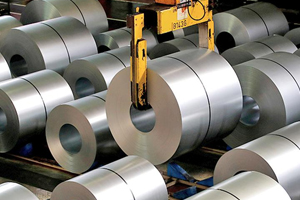
Aluminized Steel Coil: Complete Buyer's Guide, Specifications and Price Reference
Aluminized steel is manufactured by hot-dipping cold-rolled steel into a molten bath of aluminum-silicon alloy (typically 90% Al, 10% Si). The result combines steel strength with aluminum surface properties: heat resistance up to 677°C, excellent atmospheric corrosion protection, and up to 80% radiant heat reflectivity. Type 1 (ASTM A463 T1): Al-Si coating (90/10). For exhaust systems, ovens, heat shields, mufflers. Type 2 (ASTM A463 T2): Commercially pure aluminum. For corrugated roofing, siding, grain bins. Important: T1 and T2 are NOT interchangeable. Using T1 where T2 is specified can lead to premature material failure. Include: base steel grade (CQ, DQ, structural), coating type (T1 or T2), coating weight (T1-20, T1-40, T1-60 in g/m²), thickness (0.3-3.0mm), width (600-1,500mm), surface treatment, quantity, and Incoterms. Aluminized steel commands a premium over standard galvanized due to higher aluminum content. Key drivers: LME aluminum ingot price, coating weight (T1-60 is ~20% more than T1-20), order volume (minimum 30-50 tons per spec), and base steel grade. Coating pinholes, alloy layer brittleness, surface roughness (orange-peel texture), and edge build-up are the most frequent quality problems with aluminized steel. Always request pre-shipment samples or third-party inspection. MESCO supplies both Type 1 aluminized and advanced Zn-Al-Mg coated steels with 7,000 tons daily inventory and 3-day delivery for stocked items. Free physical samples, MTC documentation, and third-party inspection support available before commitment.What Is Aluminized Steel?
Type 1 vs Type 2: Critical Difference
Key Specifications for Your RFQ
Pricing Factors
Common Quality Issues
Sourcing from MESCO STEEL