

Aluminized Steel 2026: Properties, Applications, and Market Trends You Need to Know
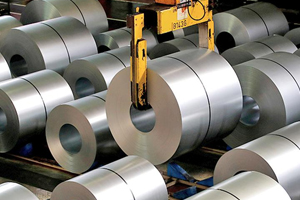
Aluminized steel is one of the most versatile coated steel products in the global metals market, valued for its exceptional combination of heat resistance, corrosion protection, and cost efficiency. As of 2025, the global aluminized steel market was valued at approximately USD 4.13 billion, with projections reaching USD 5.66 billion by 2032 at a CAGR of 4.62%. Whether you are sourcing materials for automotive exhaust systems, HVAC components, or industrial heat exchangers, understanding the properties and market dynamics of aluminized steel is essential for making informed procurement decisions in 2026. In this guide, we break down what aluminized steel is, how Type 1 and Type 2 coatings differ, where the material is most commonly applied, and what market trends are shaping supply and demand this year. Aluminized steel is a carbon steel substrate that has been hot-dip coated with an aluminum or aluminum-silicon alloy. This coating process creates a metallurgical bond between the steel core and the aluminum surface, giving the material a unique combination of steel's structural strength and aluminum's corrosion and heat resistance. The coating is typically applied at a weight of 80 to 120 grams per square meter, and the finished product can withstand continuous service temperatures up to 800 degrees Celsius. Aluminized steel also reflects up to 80% of radiant heat, making it an ideal material for thermal management applications. There are two primary types of aluminized steel, each engineered for different performance requirements: Type 1 dominates the market due to its superior heat resistance and coating adhesion, making it the preferred choice for exhaust systems, heat exchangers, and industrial ovens. Type 2 is gaining share in automotive exhaust applications where higher aluminum content is specified for elevated-temperature durability. Aluminized steel offers a compelling value proposition compared to both bare carbon steel and stainless steel: Continuous operation up to 800 C without significant degradation, far exceeding galvanized steel's limit of approximately 200 C. The aluminum coating forms a dense oxide layer that protects the underlying steel from oxidation, even in humid and mildly corrosive environments. Reflects up to 80% of radiant heat, improving energy efficiency in furnace and appliance applications. Provides 70 to 80% of stainless steel's performance at roughly half the cost, making it a smart substitute in moderate-temperature environments. The automotive sector accounts for 60.2% of aluminized steel demand. The material is extensively used in exhaust systems, mufflers, heat shields, and catalytic converter shells. Its ability to withstand extreme temperatures and corrosive exhaust gases makes it irreplaceable in internal combustion engine vehicles. However, the ongoing shift toward electric vehicles (EVs) is beginning to impact the long-term replacement cycle for traditional exhaust components. While EVs do not require exhaust systems, they still use aluminized steel for battery thermal management shields and structural heat protection. Aluminized steel is widely used in furnace components, heat exchangers, ventilation ducts, and household appliances such as ovens, water heaters, and dryers. Japan's METI energy-efficiency codes are driving demand for higher-reflectivity aluminized interiors in residential heating equipment. In construction, aluminized steel is used for roofing panels, wall cladding, and insulation systems. The EU Green Deal's industrial decarbonization mandates are accelerating material substitution toward corrosion-resistant coated steels, creating new demand in Germany and Italy. Asia Pacific held 41.8% of global market revenue in 2025, with China remaining the largest production and export hub. POSCO and Chinese state-owned producers control over 60% of dedicated aluminizing capacity. Nippon Steel has introduced its AS-L grade, claiming a 30% improvement in inter-coat adhesion. This type of innovation is critical as buyers increasingly demand scientific testing of chemical composition and mechanical properties. The EU F-Gas Regulation is pushing industrial furnace fabricators to substitute aluminized panels for refractory-lined systems. EPA emissions standards are extending catalyst-to-tailpipe insulation requirements. In early 2026, LME aluminum prices traded around $3,200 to $3,400 per metric ton, influenced by geopolitical conflicts and falling LME inventories. Buyers should factor in raw material price fluctuations when negotiating long-term contracts. When evaluating suppliers for aluminized steel in 2026, consider these key criteria: Galvanized steel is coated with zinc for corrosion resistance at ambient temperatures (up to ~200 C). Aluminized steel is coated with aluminum or aluminum-silicon alloy, providing both corrosion resistance and heat resistance up to 800 C. Aluminized steel is preferred for high-temperature applications, while galvanized steel is better suited for outdoor structural applications at lower temperatures. Yes, aluminized steel can be welded using MIG, TIG, or resistance welding. However, the aluminum coating at the weld area will be consumed, exposing bare steel. A protective coating or paint should be applied to weld zones to maintain corrosion resistance. Type 2 aluminized steel (pure aluminum coating) is used in food processing equipment and bakeware. It meets FDA requirements for food contact surfaces. Type 1 (Al-Si alloy) is generally not recommended for direct food contact due to silicon content. In moderate outdoor environments, aluminized steel can last 20 to 30 years before significant coating degradation. In coastal or highly industrial environments, the lifespan may be reduced to 10 to 15 years. Proper maintenance and periodic inspection can extend service life. The global aluminized steel market was valued at approximately USD 4.13 billion in 2025 and is projected to reach USD 5.66 billion by 2032, growing at a CAGR of 4.62%. Asia Pacific holds the largest regional share at 41.8%. Aluminized steel remains a critical material for industries that demand heat resistance, corrosion protection, and cost efficiency. With the global market growing steadily and new applications emerging in EV thermal management and green building construction, 2026 presents strong opportunities for procurement teams who understand the material's properties and market dynamics. Looking for a reliable aluminized steel supplier? MESCO Steel exports to over 90 countries, serves 8 Fortune Global 500 companies, and maintains tens of thousands of tons of ready stock for rapid delivery. Contact us today for a quotation tailored to your specifications, or browse our product catalog to explore available options.
What Is Aluminized Steel?
Type 1 vs. Type 2 Aluminized Steel
Property
Type 1 (Al-Si Alloy)
Type 2 (Pure Aluminum)
Coating Composition
Aluminum + 5 to 11% Silicon
99%+ Pure Aluminum
Market Share (2025)
62.3%
37.7%
Max Service Temp
Up to 800 C
Up to 650 C
Best For
High-temperature environments
Corrosion-resistant applications
Coating Adhesion
Excellent
Good
Cost
Moderate
Lower
Key Properties and Performance Advantages
Heat Resistance
Corrosion Resistance
Thermal Reflectivity
Cost Efficiency
Major Applications in 2026
Automotive Exhaust Systems and Heat Shields
HVAC and Household Appliances
Construction and Industrial
2026 Market Trends and Outlook
Asia Pacific Leads Global Supply
Technology Innovation
Green Regulations Driving Demand
Price Volatility and Supply Chain Risk
How to Choose an Aluminized Steel Supplier
Frequently Asked Questions
What is the difference between aluminized steel and galvanized steel?
Can aluminized steel be welded?
Is aluminized steel food-safe?
How long does aluminized steel last outdoors?
What is the current market size of aluminized steel?
Conclusion